Frequently Asked Questions About Braces for Adults
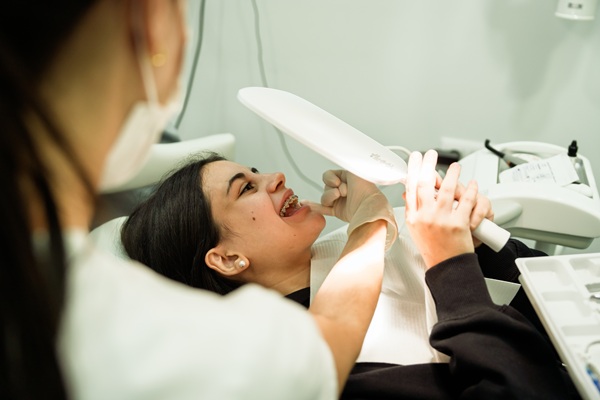
Many people search for braces for adults when their teeth feel crowded, their bite alignment seems off, or their confidence in a smile starts to fade. Modern braces for adults offer more discreet, efficient, and customizable options than many patients expect. Treatment no longer focuses only on teens; adults of all ages now explore orthodontic care to improve function and appearance. Understanding common questions helps decide to start treatment more easily.
Are braces for adults really effective?
Braces for adults work very effectively for many bite and alignment concerns. Teeth continue to move in response to gentle, consistent pressure, regardless of age. Healthy gums and bone support remain more important than the birthdate on a chart.
Adult treatment often focuses on both aesthetics and function. Correcting crowding, crossbites, overbites, or underbites can reduce uneven wear and improve chewing comfort. With careful planning, an orthodontist can also coordinate care when surgical correction or jaw alignment procedures become part of the overall plan.
What types of braces for adults are available?
Treatment options now extend well beyond traditional metal braces. Many adults qualify for low-profile metal brackets, ceramic or tooth-colored brackets, or clear aligner systems, depending on the complexity of the case. Each option supports different goals for appearance, comfort, and treatment time.
Some adults prefer traditional brackets because they handle more complex movements and work reliably for a wide range of bite issues. Others choose ceramic brackets that blend more closely with tooth color for a less noticeable look. When alignment needs are moderate, and bone structure allows, clear aligners may offer a removable, almost invisible option.
How long does treatment usually take?
Treatment time varies depending on the degree of crowding, spacing, and bite problems. Many adults complete active treatment within 12 to 24 months, while more complex cases may require additional time. The orthodontic team evaluates jaw structure, bone support, and movement goals before estimating a timeline.
Consistency remains important. Regular appointments, good oral hygiene, and following instructions about elastics or appliances help teeth move as efficiently as possible. Even when treatment takes longer, the long-term benefits for function and aesthetics often outweigh the temporary inconvenience.
Will braces interfere with everyday life?
Braces for adults fit more smoothly into daily routines than many patients expect. Some adjustments include avoiding hard or sticky foods and adding a few minutes to the brushing and flossing routine. After an initial adaptation period, most people speak, work, and socialize comfortably.
Discomfort can occur after adjustments, but it usually stays mild and temporary. Over-the-counter (OTC) pain relief, soft foods, and orthodontic wax provide support during these short windows. Many adults find that clearer speech, better chewing, and renewed confidence begin to emerge even before treatment ends.
Consult a Union orthodontist
Braces for adults offer powerful solutions for crowded teeth, bite problems, and smile concerns that linger from earlier years. Are you looking for a tried-and-proven way to straighten your smile? Contact Trielle Orthodontics to schedule an appointment and consult our orthodontist.
Request an appointment here: https://trielleorthodontics.com or call Trielle Orthodontics at (908) 344-3388 for an appointment in our Union office.
Check out what others are saying about our services on Yelp: Read our Yelp reviews.
Related Posts
A board certified orthodontist is a dentist who has spent hundreds of additional hours studying and practicing the skills need to provide orthodontic care at the highest levels. They are certified by the American Board of Orthodontics, the only orthodontic specialty board recognized by the American Association of Orthodontists and the American Dental Association.Orthodontists do…
A bite adjustment is often recommended for patients who experience discomfort, difficulty chewing, or aesthetic concerns due to an underbite. This treatment supports long-term jaw health and function by carefully aligning the teeth for better balance. An orthodontist customizes the process based on tooth shape, jaw structure, and bite pressure to create a more natural,…
Clear aligners make orthodontic treatment discreet and flexible, but daily habits determine comfort and results. Orthodontic guidance, combined with simple routines, helps keep trays clean, snug, and on schedule. The tips below focus on wear time, hygiene, comfort, and lifestyle, so treatment tracks predictably from start to finish.Clear aligners work best with steady, predictable wear.…
A palatal expander is an oral appliance that is used to widen the upper jaw. Also known as a palate or orthodontic expander, these appliances fit in the roof of your mouth and gradually move the two halves of your jawbone apart by applying constant pressure on the area.Some of the issues a dentist might…